Crafting Underwater Marvels: Public Aquarium Design and Acrylic Artistry
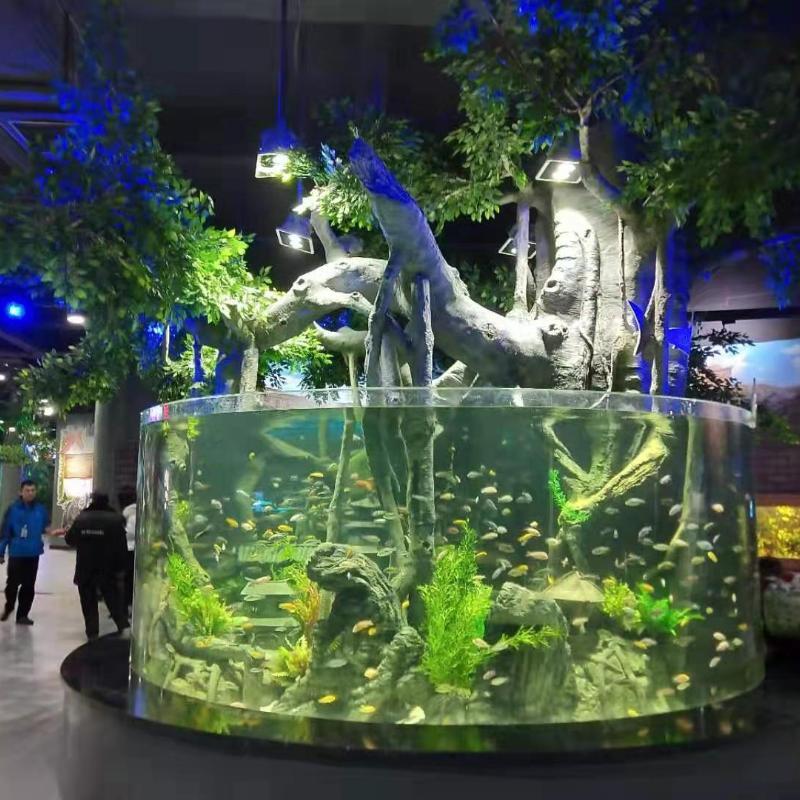
If you have ever visited a public aquarium, did you watch the vibrant fish dart around in their tanks? These creatures come with different shapes and colors… Its a wonder!! Did you ever wonder who makes these amazing underwater places? There is where the public aquarium design has a role here: designers are able to create beautiful spaces for us that help us learn more about these creatures and allow ourselves to be delighted by marine life.
Acrylic in vibrant Tanks
Building the tanks public aquariums are designed to house animals in, is a major part of their design and requires acrylic. Acrylic is also a type of clear plastic that can be molded in different ways. This column cylinder aquarium fish tank is also very sturdy and can hold a lot of water without any fear if the glass will break that many require in order to keep their fish safe. In addition, visitors can see them neatly through the acrylic making it a great and enjoyable experience!
Designing Underwater Worlds
Those public aquariums are always in huge buildings too, so it is located sometime inside of a museum or park pr even shopping center. Places like these are excellent for raising public awareness to the wonderful world of marine life in our globe. Designers must become artists and scientists in order to create these underwater worlds. They needed to learn about animals, animal behavior and the environments in which they live. And that knowledge gives them something more than beauty to design for the animals' benefit.
Mixing Science and Art
Public aquariums are a blend of science and art, consequently any design is no walk in the park. Designers collaborate closely with biologists, marine wildlife experts to replicate the look of animals' natural homes. This means they need to understand what every animal requires in order to stay healthy and content. Some fish need warm water while others thrive in colder waters; for example... All of this information needs to be weaved into the simulations for the designers to even hope that their creatures will do well in the areas they are dropped.
The Steps of Aquarium Design
Plan or blueprint of a public aquarium The earliest step in developing a public aquarium Among this plan there are key details such as the size of big fish tank, what type of acrylic to use, location for plants and rocks plus lights. The design is very meticulous and must be thought over carefully.
The acrylic is then moulded into the right shape, by the artist Part of this can involve heating the plastic, bending it and then cooling off to keep its form. Once the acrylic is mould into whichever form it needs to be in, and then smoothed and polished so that it comes out looking nice and transparent. A neat and clear tank offers a good viewing of the fish or other species inside
The artist finishes the tank after is completed. That said, the tank needs to be appropriately decorated with plants and rocks -- this is essential because these fish need some of their own territory! Proper decoration can make the tank look as natural for these animals. Lighting - this can be a very important step and the artist may need to experiment with colors, lighting levels etc., until he feels right.
Conclusion
Professionally speaking, the design of public aquariums is both a science and an art as we work to create some pretty remarkable underwater worlds for all mankind. Rendering the tanks in acrylic colors them which makes it more appealing to visitors. It is a unique occupation"which is synonymous with marine expertise, creativity and technical proficiency.
The next time you visit a public aquarium, spare some thought for the creativity and experience that went into manufacturing its aquarium tank acrylic. You may even be inspired to pursue an aquarium science degree or become a professional in the field of designing custom commercial tanks! Discovering these underwater worlds will make you realize the marvels of the sea and why we need to safeguard our marine environments for it to survive through many more generations.


Comments
Post a Comment