Bioplastics in Disposable Tableware: Myths and Realities
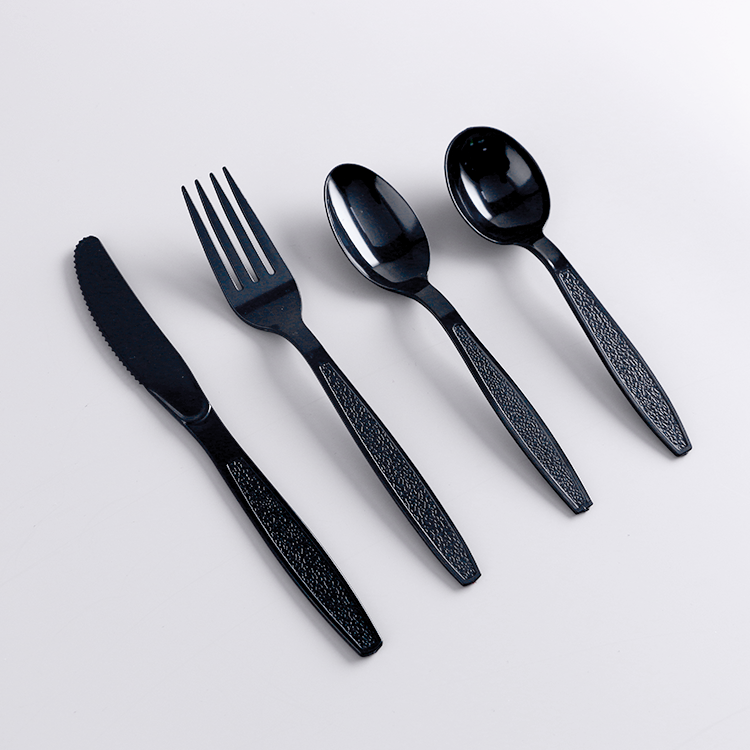
Are you familiar with bioplastics? Are a type of plastic derived from corn, sugarcane or potato plants. Bioplastics are made from natural materials, not oil like regular plastics. The use of bioplastics is already growing, particularly for single-use disposable materials such as plates, cups and cutlery. Are they really good for the Earth though? But let us break it down and find out what is actually the truth or fact about bioplastics disposable tableware.
9 Crazy Myths About Compostable Utensils
A common myth is that bioplastics will decompose completely.
Bioplastics are sourced from plants, hence break down completely: FACT - Not all bioplastics can breakdown entirely. If the material only breaks down in a place called industrial composting facilities, these are types of bioplastics. These are all used to encourage the decay of materials. Nevertheless, there are bioplastics that never completely degrade and which still contribute to the plastic soup in our environment. This enables them like ordinary plastics to still do a lot of damage on Earth.
Medhi: Bioplastics are better for the environment than regular plastics
Fact: Whether or not bioplastics are better for the planet all comes down to how they're manufactured. Bioplastics are better as long as they come from plants that do not have a negative impact on the environment (sustainable agriculture). And they are even better if you can break them down easily after use. Reversely, if bioplastics are made from unsustainable feedstocks and cannot degrade they might not outperform traditional plastics. Therefore, you need to know the origin of materials and how they are produced.
Fact #3: Bioplastics Are Not the Magic Solution to Our Plastic Waste Crisis
Fact: While bioplastics make sense to use in single-used tableware since they reduce plastic waste, alone this will not eliminate the problem. Bioplastics could contribute to that, but recycling as much and reducing single use plastics are key. We have to talk about every manner in which we can save our atmosphere and not just one single solution.
Bioplastics: the Environmental Impact
So, when we consider how bioplastics impact the planet, there are a few key takeaways. Point number one: Producing bioplastics is still a resource, namely water and energy. This can be hazardous for the ecology which is getting hurt by exploiting existing water resources. Moreover, the way we dispose of them is also a concern for bioplastics. If bioplastics are placed into a landfill, they might not be able to degrade because there is an insufficient quantity of air and the circumstances may become inappropriate. This means they can still add to the plastic waste problem. But when these things are sent to an industrial composting facility, they will be broken down and turned into soil for future plant growth.
Bioplastics Impact on Disposable Tableware
Although surrounded by controversy and misinformation, bioplastics are having a positive impact on the disposable tableware industry. They provide a greener alternative to conventional plastics. Because we have to start mitigating our impact on the planet some way or another. In addition, bioplastics have some distinctive advantages due to the fact that they are usually microwaveable safe and generate less pollution in production. All of these benefits make it innately more attractive to eco-conscious consumers.
Categories Of Bioplastics
Bioplastics are, in fact, several types of a general concept that is used to describe disposable tableware. The product used to make One oft-used variety is known as PLA, or polylactic acid. PLA is produced with corn starch and it biodegrades in industrial composting facilities, hence as a disposable Yogurt Spoon choice commonly seen. An example of another type is called PBAT (polybutylene adipate terephthalate). While much of it is used in food packaging, especially for items like fresh produce and baked goods which generate dampness that can poorly affect regular plastics. PBAT breaks down faster than many other types of degradable plastic itself too so will be fine if sent to one (as specific) type of industrial composting facility as soon as its 60 days old!


Comments
Post a Comment